lxml and Requests
- Web Scraping Using Python For Beginners
- Python Web Scraping Beautifulsoup
- Using Python For Web Scraping Tutorial

lxml is a pretty extensive library written for parsingXML and HTML documents very quickly, even handling messed up tags in theprocess. We will also be using theRequests module instead of thealready built-in urllib2 module due to improvements in speed and readability.You can easily install both using pipinstalllxml andpipinstallrequests.
- The data is in the text content of response, which is response.text, and is HTML. We can use the html.parser from BeautifulSoup to parse it, saving us a lot of time when web scraping in Python. This transforms the HTML document into a BeautifulSoup object, which is a complex tree of Python objects.
- Dec 27, 2020 Python Web scraping is nothing but the process of collecting data from the web. Web scraping in Python involves automating the process of fetching data from the web. In order to fetch the web data, all we need is the URL or the web address that we want to scrape from. The fetched data will be found in an unstructured form.
- Jun 14, 2020 Probably 80% of all the Python Web Scraping tutorials on the Internet uses the BeautifulSoup4 library as a simple tool for dealing with retrieved HTML in the most human-preferable way. Selectors, attributes, DOM-tree, and much more. The perfect choice for porting code to or from Javascript's Cheerio or jQuery.
Why is Python a suitable language to use for Web Scraping? First, python programming language is an easy language to learn and work with because the syntax reads like simple English and the core concepts are easy to understand. So if someone wants to scrape the web in an efficient manner but has no previous programming language, Python is the. As you do more web scraping, you will find that the is used for hyperlinks. Class - shaman crack. Now that we’ve identified the location of the links, let’s get started on coding! We start by importing the following libraries. Import requests import urllib.request import time from bs4 import BeautifulSoup.
Let’s start with the imports:
Next we will use requests.get to retrieve the web page with our data,parse it using the html module, and save the results in tree:
(We need to use page.content rather than page.text becausehtml.fromstring implicitly expects bytes as input.)
Web Scraping Using Python For Beginners
tree now contains the whole HTML file in a nice tree structure whichwe can go over two different ways: XPath and CSSSelect. In this example, wewill focus on the former.
XPath is a way of locating information in structured documents such asHTML or XML documents. A good introduction to XPath is onW3Schools .
Python Web Scraping Beautifulsoup
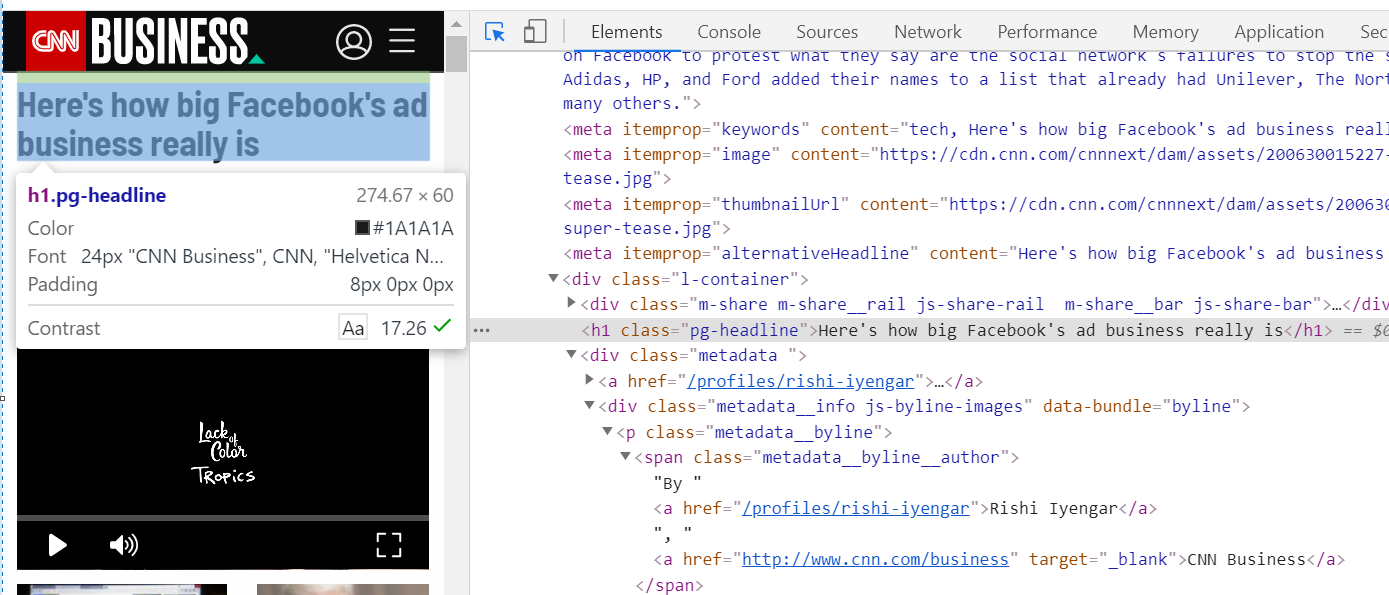
There are also various tools for obtaining the XPath of elements such asFireBug for Firefox or the Chrome Inspector. If you’re using Chrome, youcan right click an element, choose ‘Inspect element’, highlight the code,right click again, and choose ‘Copy XPath’.
After a quick analysis, we see that in our page the data is contained intwo elements – one is a div with title ‘buyer-name’ and the other is aspan with class ‘item-price’:
Knowing this we can create the correct XPath query and use the lxmlxpath function like this:
Let’s see what we got exactly:
Congratulations! Over the dream crack. We have successfully scraped all the data we wanted froma web page using lxml and Requests. We have it stored in memory as twolists. Now we can do all sorts of cool stuff with it: we can analyze itusing Python or we can save it to a file and share it with the world.
Using Python For Web Scraping Tutorial
Some more cool ideas to think about are modifying this script to iteratethrough the rest of the pages of this example dataset, or rewriting thisapplication to use threads for improved speed.